
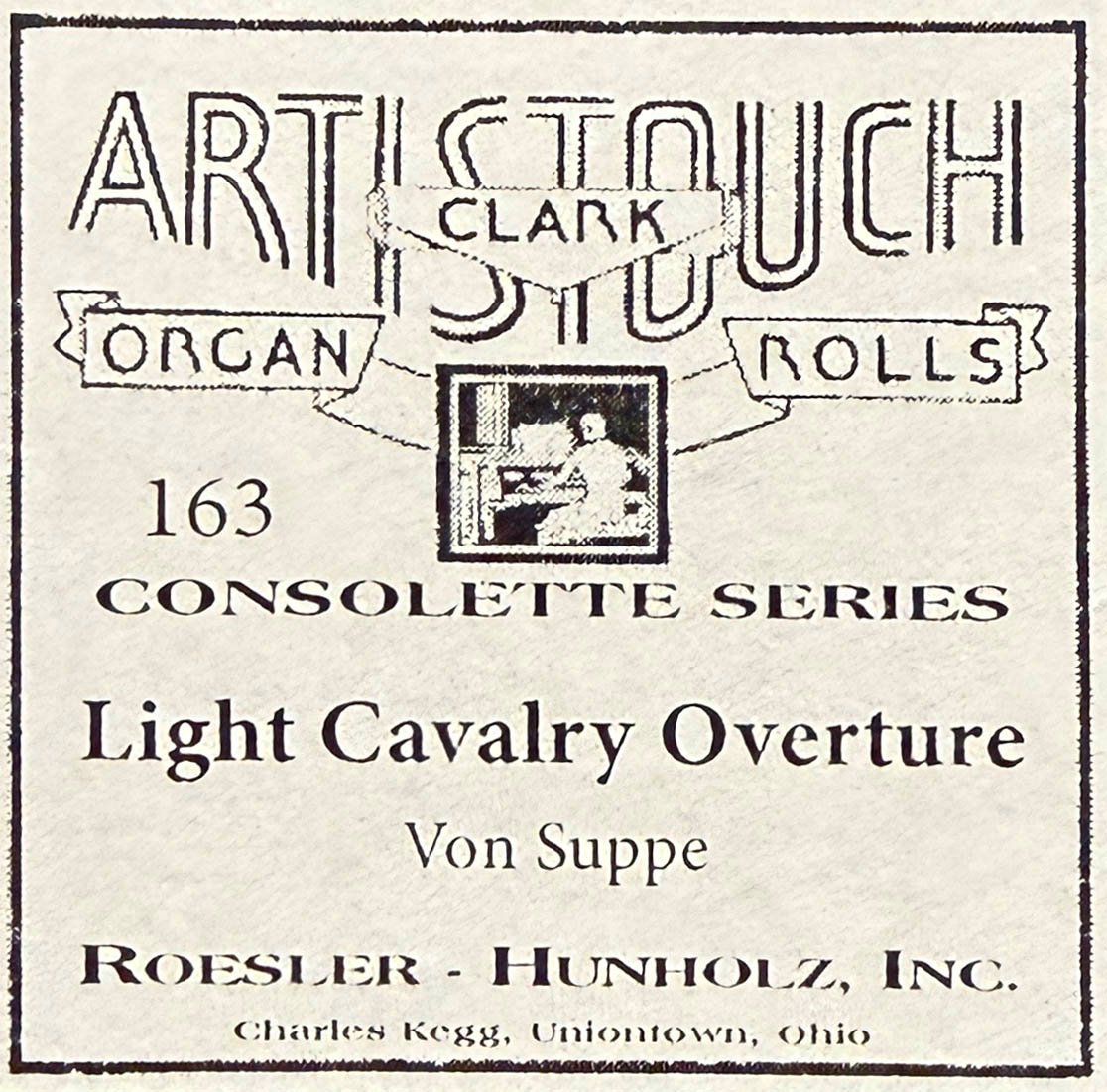
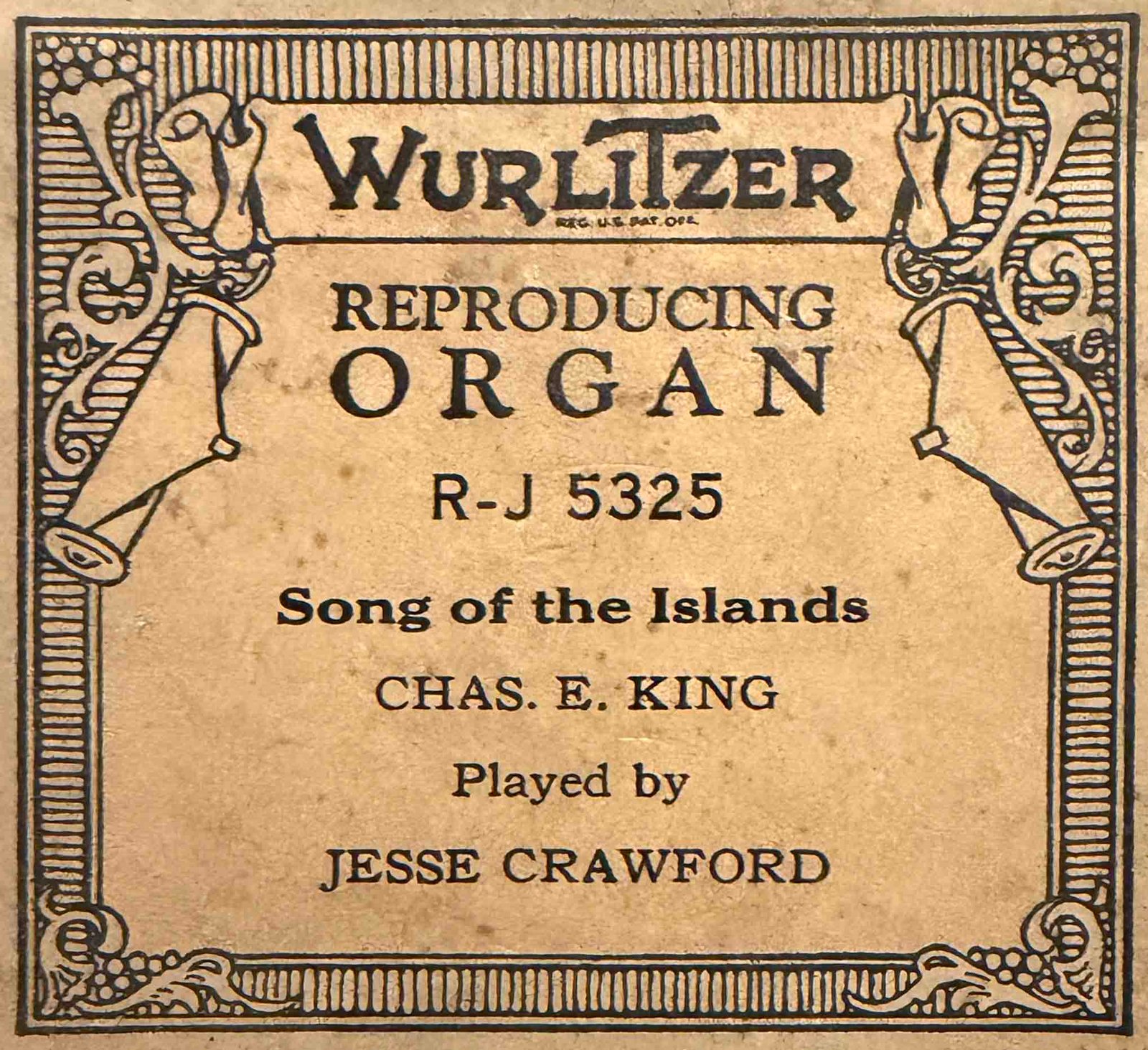
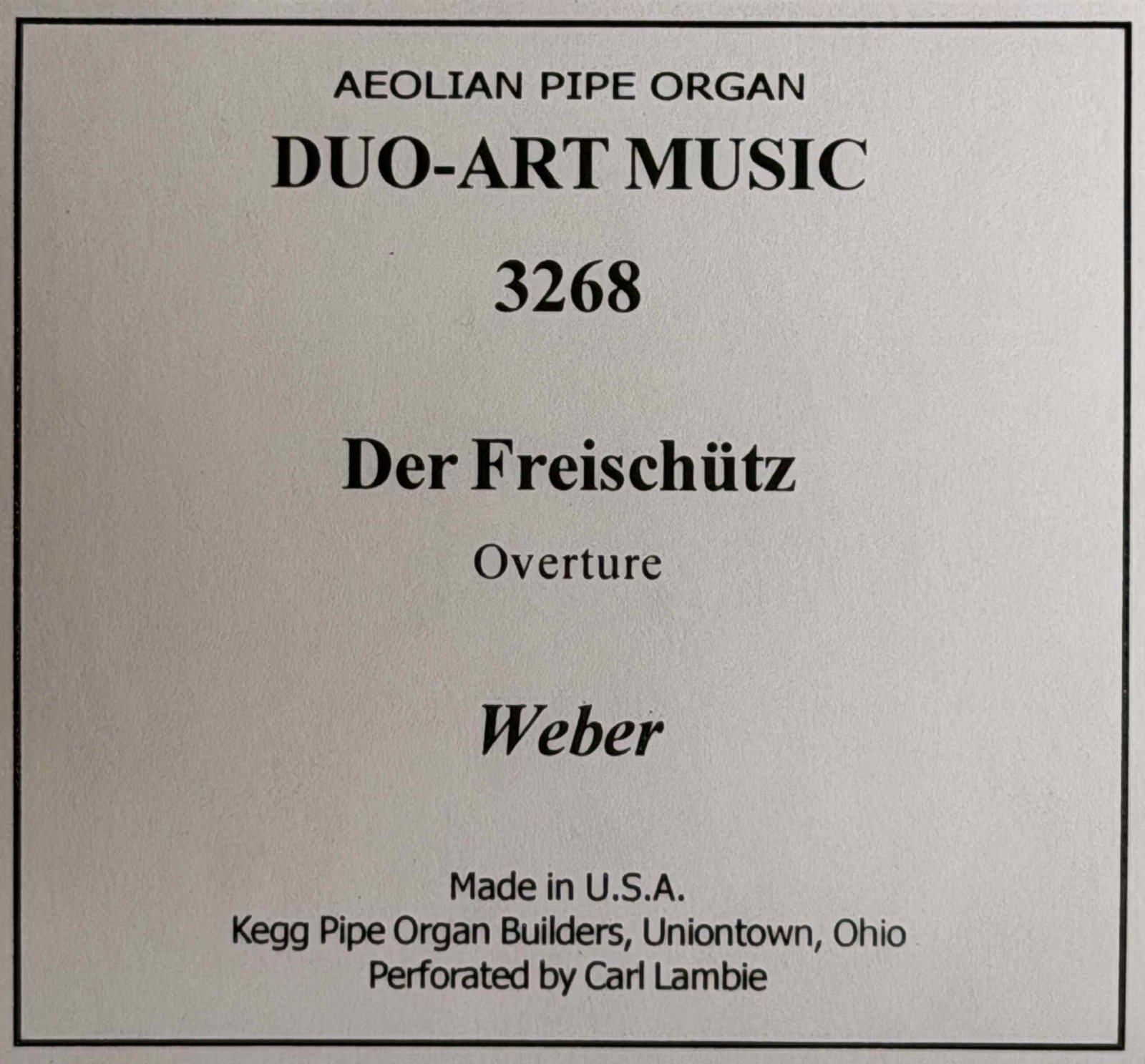
Click below to find out more about each of these fascinating systems. You will find history, tracker scales, roll libraries and more.
|
From the early 20th century until market changes in the mid 1930s, player pipe organs were a very popular feature in stately homes and many commercial establishments in the United States. Of special note was the stunning success of relative newcomer Aeolian who in this time period built over 2000 player pipe organs. In response, all larger established pipe organ companies in the U.S. developed their own player systems to compete in this new market. For smaller builders, there were suppliers that made players that could be offered to the public without the large investment, some even hiding this fact and passing the purchased system as their own with custom roll labels.
The majority of the market was served by Aeolian, Estey, and Welte, and these are the most common systems that one might encounter today. Moller was late to the party, introducing its advanced Artiste player in 1927. As the largest builder of pipe organs in the world at the time, Moller still managed to build about 250 players in the dwindling market. Austin was also late with its Premier Quadruplex and they produced only about 10 machines. Kimball and Skinner, though large companies and highly respected, were mostly unsuccessful here judging by the numbers of their players that were sold, even though the Skinner player was sophisticated and musically elegant.
By 1935, tastes had changed and the wealthy were no longer inspired to purchase player pipe organs, though there were a few sold here and there even after this time. Moller built a player residence organ for a home in South Africa after WWII in the late 1940s, which had been postponed by WWII. Moller also built probably the last example of this era in 1954 at the George Washington Memorial Masonic auditorium in Arlington VA, which survives to this day.
This site is an attempt to bring the history and technical details of these amazing machines into one place. We welcome documented corrections and additions.
Click here to learn about the author. 
We would like to hear from you.
|